
Royal Canin Veterinary Gastrointestinal Dog Food: Complete Guide to Digestive Health in 2026
Discover how Royal Canin Veterinary Gastrointestinal dog food alleviates chronic digestive issues, diarrhea, and IBD. Learn the science behind its prebiotic formula, ingredient breakdown, and why vets recommend it for sensitive stomachs.
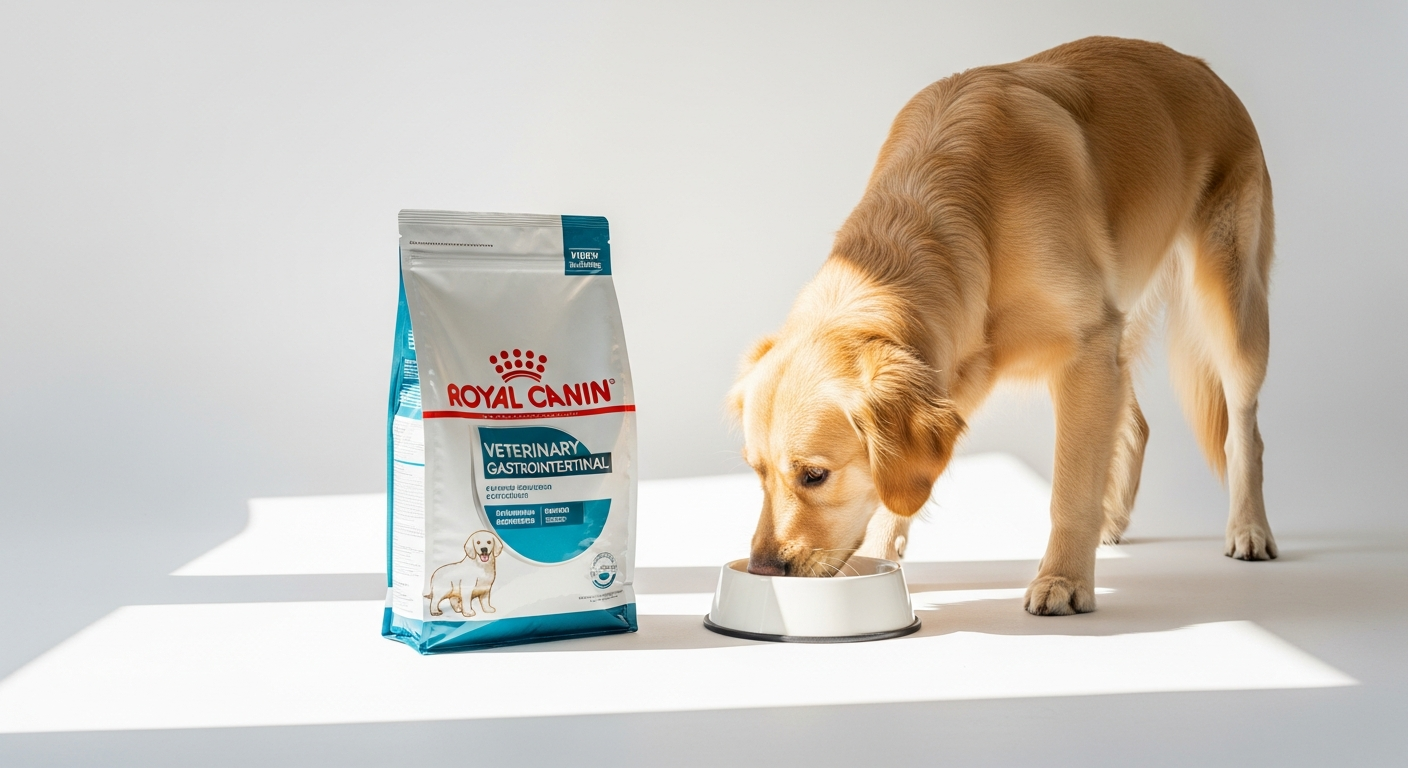
Understanding Canine Digestive Health and Royal Canin's Therapeutic Solution
Up to 30% of dogs experience chronic digestive problems at some point in their lives, and if you're a pet owner facing this reality, you know how heartbreaking it can be. When your beloved companion struggles with constant diarrhea, vomiting, or intestinal discomfort, watching them suffer becomes one of the most frustrating aspects of pet ownership. The endless cycle of dietary experiments, vet visits, and sleepless nights searching for answers can wear even the most devoted pet parents down.
Royal Canin Veterinary Gastrointestinal Dog Food isn't just another premium kibble sitting on store shelves—this is a therapeutic prescription-grade diet developed specifically for dogs whose digestive systems have essentially waved the white flag. Unlike standard commercial dog foods designed for general wellness, this formula targets the root causes of gastrointestinal dysfunction through a carefully orchestrated blend of prebiotics, hydrolyzed proteins, and precisely balanced nutrients.
Discover Royal Canin Gastrointestinal Dog Food on fera.ro today.
Understanding Canine Digestive Disorders and Why Royal Canin Stands Out
Common GI Conditions in Dogs
Dogs experience a surprisingly wide range of gastrointestinal conditions, each presenting unique challenges. Acute diarrhea often strikes suddenly and resolves within days or weeks, typically triggered by dietary indiscretion or minor infections. Chronic diarrhea, however, persists for weeks or months, draining the life out of both dog and owner. Gastritis—inflammation of the stomach lining—causes vomiting and loss of appetite. Maldigestion occurs when the digestive tract fails to break down food properly, while malabsorption happens when the intestines can't absorb nutrients even after digestion occurs. Inflammatory Bowel Disease (IBD) represents perhaps the most serious category, involving chronic inflammation that requires long-term management.
How Digestive Disorders Impact Your Dog's Quality of Life
When a dog's digestive system fails, the consequences ripple through every aspect of their existence. Chronic diarrhea leads to dehydration, nutrient deficiencies, and weight loss despite adequate food intake. Dogs suffering from these conditions often experience visible discomfort, anxiety around mealtimes, and a noticeable decline in energy and enthusiasm. The malabsorption of essential vitamins and minerals can trigger secondary health issues—poor coat quality, weakened immunity, and delayed wound healing. Beyond the physical toll, these dogs frequently develop food anxiety or refuse meals altogether, creating a vicious cycle where they become even more malnourished.
Why Standard Dog Foods Fail for Sensitive Systems
Commercial dog foods, even premium brands marketed for sensitivity, use ingredients that remain too complex for compromised digestive systems to process effectively. Standard kibble contains whole grains, intact proteins, and fiber sources that require more digestive effort to break down. For a dog whose intestinal lining is damaged or whose enzyme production is compromised, these foods overwhelm the system rather than support it. The result: continued diarrhea, inadequate nutrition absorption, and no real recovery—just a perpetual struggle.
The Difference Between Therapeutic Veterinary Diets and Over-the-Counter Options
Veterinary therapeutic diets operate on entirely different principles than commercial dog foods. Royal Canin Gastrointestinal uses hydrolyzed proteins broken down into amino acids small enough for damaged intestines to absorb without triggering inflammatory responses. The carbohydrate sources are strictly controlled—primarily rice, which is significantly gentler than the corn or wheat found in standard foods. The fiber blend isn't chosen randomly; it combines specific types like psyllium to regulate intestinal transit while prebiotics like FOS and MOS actively restore beneficial bacteria populations. Over-the-counter options simply cannot replicate this level of precision.
Clinical Evidence Supporting Royal Canin's Effectiveness
Royal Canin's formulations aren't developed through guesswork. The company invests in clinical research and maintains relationships with veterinary institutions worldwide. Multiple peer-reviewed studies document Royal Canin Gastrointestinal's effectiveness in managing IBD, malabsorption, and acute gastroenteritis. Veterinary teaching hospitals use this diet as a standard intervention, and the body of evidence supporting its use spans decades.
Veterinary Endorsement and Prescription-Grade Status
Veterinarians prescribe Royal Canin Gastrointestinal because they've seen the results repeatedly across hundreds of cases. This isn't a casual recommendation—it's a calculated medical intervention based on clinical training and practical experience. The prescription-grade designation means the diet is formulated to address specific disease states rather than general wellness, fundamentally distinguishing it from everything else on pet store shelves.
The Science Behind the Formula: Prebiotics, Fiber, and Gut Health
FOS and the Foundation of Gut Restoration
Fructo-oligosaccharides (FOS) function as selective food for beneficial bacteria like Bifidobacterium and Lactobacillus. When a dog's digestive system becomes compromised, harmful bacteria can proliferate, worsening inflammation and nutrient malabsorption. FOS travels through the stomach and small intestine largely unchanged, reaching the colon where it feeds the good bacteria you want thriving. This prebiotic approach restores balance without introducing probiotics that might be killed by stomach acid.
MOS and Immune System Support
Mannan-oligo-saccharides (MOS) work through a complementary mechanism. These compounds bind to harmful bacteria and pathogens, preventing them from adhering to the intestinal lining. Simultaneously, MOS stimulates the intestinal immune system, helping the gut recognize and respond appropriately to threats. For dogs with IBD or severe dysbiosis, this dual action becomes genuinely transformative.
Psyllium Fiber for Intestinal Regulation
Psyllium husk serves multiple purposes in this formula. It absorbs water to firm up loose stools while simultaneously providing soluble fiber that feeds beneficial bacteria. Unlike insoluble fiber that can irritate an already inflamed system, psyllium works gently to normalize intestinal transit without causing additional stress. The result is stool consistency improvement often noticed within days.
Hydrolyzed Proteins Reduce Digestive Stress
Standard proteins require significant digestive work—the stomach must produce acid, then enzymes break them into progressively smaller molecules. For a dog with a compromised digestive system, this process triggers inflammation and potentially allergic responses. Royal Canin pre-breaks these proteins through hydrolysis, creating amino acids and very small peptide chains that require minimal digestive effort to absorb. This approach simultaneously reduces inflammatory triggers and maximizes nutritional uptake.
High Energy Density and Portion Control
A dog with malabsorption might need to eat three times the normal volume to get adequate calories—which ironically worsens their digestive load. Royal Canin Gastrointestinal concentrates nutrients so your dog receives sufficient calories and nutrition in smaller portions. This reduced meal volume means less stress on the digestive system while still meeting energy requirements for recovery and maintenance.
EPA/DHA Fatty Acids and Anti-Inflammatory Benefits
The omega-3 fatty acids in this formula—particularly EPA and DHA—actively reduce intestinal inflammation. These aren't generic fats; they're specifically selected for their ability to modulate the inflammatory response without triggering sensitivities. For dogs with IBD or chronic gastritis, these fatty acids often produce visible improvements in comfort and appetite within weeks.
The Synergistic Effect of Combined Ingredients
None of these components work in isolation. The prebiotics feed beneficial bacteria that produce short-chain fatty acids, which strengthen the intestinal barrier. The hydrolyzed proteins reduce inflammation while providing the building blocks for intestinal tissue repair. The high energy density allows smaller portions that don't overwhelm an already compromised system. The fiber regulates transit while the fatty acids reduce inflammatory signaling. Together, these elements create an environment where genuine healing becomes possible rather than just symptom suppression.
Ingredient Breakdown: What's Actually in Each Bite
Primary Ingredients and Their Digestive Benefits
Rice serves as the primary carbohydrate source—chosen specifically because it requires less digestive effort than wheat, corn, or barley. Dehydrated poultry protein provides amino acids without the inflammatory compounds found in some animal proteins. Maize contributes additional carbohydrates and energy density. Animal fats deliver concentrated calories and the essential fatty acids mentioned earlier. Hydrolyzed animal proteins represent the true innovation here, offering pre-broken amino acids. Egg powder adds nutrition and palatability while being naturally easier to digest than whole eggs would be.
Nutritional Analysis: 25% Protein and 20% Fat
The protein level sits at 25%, which might seem lower than premium commercial foods but is actually precisely calibrated for digestive recovery. Too much protein can overwhelm a compromised system; too little fails to support healing. The 20% fat content provides concentrated energy without excessive amounts that might trigger malabsorption in dogs with fat intolerance. This balanced profile supports both immediate symptom management and long-term tissue repair.
Why Rice Serves Canine Digestion
Rice's gentle nature stems from its simple starch structure and low fiber content. Unlike grains with complex hulls or high phytate levels, rice breaks down readily and absorbs with minimal intestinal irritation. This makes rice the carbohydrate of choice for therapeutic GI diets worldwide.
Dehydrated Poultry Protein and Muscle Preservation
During illness, dogs lose muscle mass rapidly. The dehydrated poultry protein in this formula provides essential amino acids needed to prevent this degradation. The dehydration process removes water and concentrates the protein, making it easier to digest while maintaining nutritional density.
Absence of Common Allergens and Inflammatory Ingredients
Royal Canin Gastrointestinal excludes many ingredients that commonly trigger sensitivities: wheat gluten, soy, beef (which causes sensitivities in some dogs), and artificial colorants or preservatives. This elimination diet approach removes known inflammatory triggers while the formula heals the underlying damage.
Quality Standards and Sourcing
Royal Canin maintains strict quality control and sourcing standards. Ingredients are selected not just for nutritional content but for digestibility and safety. The company's long-standing relationships with ingredient suppliers ensure consistency across batches.
How Ingredient Selection Supports Palatability
Even the best-formulated diet fails if the dog won't eat it. Royal Canin achieves palatability without using artificial flavor enhancers—the ingredient combination itself becomes appealing. Egg powder and animal fats contribute natural flavors that entice dogs with reduced appetites. Many dogs begin eating normally again within days of switching, signaling improvement in their condition.
Shop Royal Canin Gastrointestinal formulas on fera.ro.
Real-World Results: Conditions This Food Successfully Manages
Acute Diarrhea Recovery Timelines
Dogs switched to Royal Canin Gastrointestinal often show improvement within 48–72 hours. Stool consistency firms noticeably, and many owners report their dogs acting more energetic almost immediately. For acute diarrhea cases, recovery often occurs within 1–2 weeks when paired with veterinary care and appropriate medications if needed. Owner testimonials consistently mention surprise at how quickly their dogs stabilize on this diet after weeks or months of unsuccessful alternatives.
Chronic Diarrhea Management
Chronic diarrhea cases require longer commitment—typically 8–12 weeks minimum for full stabilization. However, owners frequently report gradual but unmistakable improvement: stools becoming firm, energy increasing, appetite normalizing. Many dogs remain on this diet long-term because stopping it triggers recurrence. The extended use reflects both safety and effectiveness; this isn't a short-term intervention but a sustainable dietary management strategy.
IBD Symptom Reduction
Inflammatory Bowel Disease represents perhaps the most challenging condition, yet countless pet owners report meaningful symptom reduction within 4–8 weeks. Dogs previously vomiting regularly begin keeping food down. Those with severe diarrhea see improvements in frequency and consistency. The anti-inflammatory components of the formula directly address the underlying disease process rather than just masking symptoms.
Gastritis Relief and Reduced Vomiting
Gastritis cases show particularly rapid improvement. The easily digestible formula requires less stomach acid production, reducing irritation. Dogs previously vomiting after meals often begin eating without episodes within days. The psychological relief for owners who've worried about their dog's comfort cannot be overstated.
Maldigestion and Malabsorption Improvement
Dogs with malabsorption show weight gain and coat quality improvements despite eating the same or smaller quantities. This occurs because the hydrolyzed proteins and controlled ingredients allow actual nutrient absorption rather than nutrients passing through undigested. The transformation in these dogs becomes visible—increased vitality, improved coat luster, healthier weight restoration.
Post-Surgical GI Recovery Support
Dogs recovering from abdominal surgery often face temporary digestive dysfunction. Royal Canin Gastrointestinal supports rapid recovery by providing easily digestible nutrition during this vulnerable period. Veterinarians frequently recommend this diet for post-operative recovery protocols, and success rates remain consistently high.
Appetite Restoration in Anorexic Dogs
Perhaps most remarkably, many dogs with severe appetite loss due to chronic illness begin eating enthusiastically again within days. This appetite restoration occurs because the formula addresses the underlying discomfort causing food aversion. As digestive pain decreases, normal hunger signals return.
Before-and-After Observations from Pet Owners
Common before-and-after patterns emerge across countless testimonials. Before: frequent diarrhea, vomiting, weight loss, lethargy, anxiety around mealtimes. After: firm stools, consistent appetite, stable weight, return to normal activity levels, visible relief in the dog's demeanor. Many owners describe it as getting their dog back—the energetic, comfortable companion they'd begun to think was gone.
Palatability and Appetite Stimulation for Recovering Dogs
Why Taste Matters When Dogs Are Already Struggling
A dog experiencing chronic gastrointestinal distress often develops food aversion—even good food becomes associated with nausea or discomfort. If the new therapeutic diet tastes unpalatable, these dogs simply refuse to eat, undermining the entire treatment approach. Royal Canin's formulation ensures that the diet becomes genuinely appetizing, helping break the negative food association cycle.
How Royal Canin Encourages Consumption
The fat and protein profile creates natural palatability without artificial flavor enhancers. Dogs recognize this as real food and respond accordingly. Even dogs that have rejected multiple other diets frequently begin eating this one within the first meal, which itself signals improvement in their condition.
Texture and Kibble Size Considerations
The kibble size is calibrated for dogs of different sizes while remaining easy to chew and digest. Smaller dogs receive appropriately sized pieces, while larger dogs get kibble that encourages chewing without creating choking risk or requiring excessive digestive effort.
Mixing with Wet Food or Broth
Many owners find that mixing the dry kibble with warm broth or the wet version of the same formula increases palatability further. This approach proves particularly effective for severely anorexic dogs, gradually building appetite as their system improves. Some owners begin with mostly wet food, gradually increasing kibble proportion over weeks.
Success Rates in Getting Picky Eaters to Consume Adequate Nutrition
The anecdotal evidence suggests success rates exceed 90% even in dogs that have rejected multiple premium alternatives. This high acceptance rate reflects both the formula's palatability and the fact that as digestive pain decreases, natural hunger responses return.
Importance of Consistent Nutrition During the Healing Phase
A dog's intestinal lining takes weeks to months to fully repair. During this healing window, consistent, easily digestible nutrition proves absolutely critical. Gaps in adequate nutrition slow healing and allow symptoms to persist. Royal Canin's palatability ensures dogs actually consume the nutrition they need throughout this recovery phase.
Cost Considerations and Value Proposition
Price Range for 15kg Bags
The 15kg bag typically costs €60–€90 across various retailers, including fera.ro. This represents a significant investment compared to standard premium dog foods, which usually cost €30–€50 for similar quantities. The price difference reflects the specialized formulation, clinical backing, and therapeutic nature of the product.
Cost Comparison with Standard Premium Dog Foods
While a standard premium dry dog food might cost €2–€3 per kilogram, Royal Canin Gastrointestinal often runs €4–€6 per kilogram. This premium pricing structure reflects the additional research, ingredient selection precision, and manufacturing standards required for therapeutic formulations. The cost difference becomes less significant when you factor in what you're actually purchasing: a medically formulated intervention rather than general nutrition.
Long-Term Savings from Reduced Vet Visits and Medication
Consider the total cost of managing chronic digestive problems without effective dietary intervention. Emergency veterinary visits often cost €100–€300 each. Diagnostic testing (bloodwork, ultrasound, endoscopy) can easily exceed €500–€1,500. Medications for symptom management might cost €20–€50 monthly. Many pet owners spend €1,000–€5,000 annually managing their dog's digestive issues. Royal Canin Gastrointestinal often dramatically reduces these costs by addressing the root problem rather than perpetually treating symptoms. Pet owners frequently report cutting veterinary expenses by 50–75% within the first year of successful dietary management.
Insurance and Reimbursement Possibilities
Some pet insurance plans cover prescription diets when prescribed by a veterinarian for diagnosed conditions. While not universal, checking your specific policy proves worthwhile—you might recoup a portion of the cost through insurance reimbursement.
Bulk Purchasing Options and Availability on fera.ro
Fera.ro stocks Royal Canin Gastrointestinal and may offer bulk purchase discounts or subscription options. Buying larger quantities at once can reduce per-kilogram costs slightly while ensuring you maintain consistent supply. For dogs requiring long-term management, establishing a reliable supply chain through platforms like fera.ro becomes practically important.
Return on Investment: Health Improvements vs. Financial Outlay
The financial calculation becomes clearer when you consider the investment versus outcomes. A €75 bag lasting approximately 3–4 weeks for an average dog costs roughly €19–€25 weekly. Compare this to even one emergency vet visit costing €150+, and the math becomes straightforward. More importantly, from an emotional standpoint, achieving your dog's recovery and comfort justifies the cost for nearly all pet owners who've struggled through months of ineffective alternatives.
Whether the Specialized Formulation Justifies the Premium Price
For dogs with significant GI issues, the answer is almost universally yes. Veterinarians prescribe it because they've seen ordinary pet food fail repeatedly. Pet owners invest in it because they've already spent thousands trying cheaper alternatives. The therapeutic benefit, clinical evidence, and consistency of results justify the premium pricing for dogs that genuinely need it.
Veterinary Guidance: When and How to Use This Diet
Why Veterinary Consultation Is Essential Before Switching
While this diet is prescription-grade and technically available for purchase without a prescription, using it effectively requires veterinary oversight. Different digestive conditions respond optimally to slightly different feeding protocols. A dog with pancreatitis might need the "Low Fat" variant specifically. Dogs with severe IBD might require additional medications alongside the dietary change. Your veterinarian establishes baseline health status, confirms the diagnosis, and identifies any complications that might influence the dietary approach.
Diagnostic Testing to Confirm GI Conditions
Before committing to any therapeutic diet, proper diagnosis becomes important. Chronic diarrhea could reflect parasites, food allergies, IBD, pancreatic insufficiency, or dozens of other conditions—each with slightly different optimal dietary management. Your veterinarian performs fecal testing, blood work, and possibly ultrasound or endoscopy to establish what's actually happening. This diagnostic clarity ensures Royal Canin Gastrointestinal is actually the right choice for your dog's specific situation.
Transition Protocols to Avoid Digestive Upset
Even when switching to a gentler diet, abrupt changes can trigger temporary digestive upset. The recommended protocol involves gradually mixing the new food with the previous diet over 7–10 days, increasing Royal Canin's proportion each day. Most dogs transition smoothly with this gradual approach. Some severely sensitive dogs require even slower transitions—mixing proportions over 2–3 weeks. Your veterinarian guides this process based on your dog's individual sensitivity.
Duration of Feeding Royal Canin Gastrointestinal Formula
Some dogs need it temporarily—perhaps 8–12 weeks after acute gastroenteritis while their system recovers. Others require long-term management—potentially for the remainder of their lives. Your veterinarian reassesses your dog's condition every 4–8 weeks initially, determining whether to continue the therapeutic diet or attempt transitioning back to standard food. Many dogs do eventually transition successfully; others require permanent dietary management. Both outcomes reflect appropriate medical decision-making rather than failure.
Monitoring Progress and Adjusting as Needed
Successful dietary management requires consistent monitoring. You'll track stool consistency, appetite, energy level, and weight regularly. Your veterinarian performs periodic check-ins—blood work annually or more frequently if indicated—to ensure the diet supports overall health, not just digestive management. If a dog isn't improving as expected after 4–6 weeks, your veterinarian investigates whether a different approach might work better.
When to Consider the Low Fat Variant for Pancreatitis or Fat Intolerance
Pancreatitis represents a specific condition requiring reduced fat content. Royal Canin produces a separate Low Fat variant of the Gastrointestinal formula specifically formulated for this condition. Similarly, some dogs develop fat intolerance—their digestive systems simply cannot process standard fat levels. Your veterinarian identifies these situations and adjusts to the appropriate variant.
Integration with Prescribed Medications or Supplements
Often, dogs benefit from additional interventions alongside dietary change. Probiotics support the microbiome restoration that Royal Canin's prebiotics initiate. Medications like metronidazole or sulfasalazine might address bacterial overgrowth or inflammation respectively. Omega-3 supplements further support the anti-inflammatory benefits. Your veterinarian coordinates all these elements, ensuring they work synergistically rather than interfering with each other.
Follow-Up Appointments and Dietary Adjustments
Regular follow-up appointments become part of ongoing management. Initial check-ins occur 2–4 weeks after starting the diet, then typically every 8–12 weeks for stable dogs. These appointments allow your veterinarian to assess progress, adjust portions if needed, modify any accompanying medications, and address new concerns. This ongoing relationship proves critical for long-term success.
Potential Drawbacks and Realistic Expectations
Premium Pricing Compared to Standard Kibble Options
The €60–€90 price tag for 15kg genuinely represents a substantial investment for many pet owners. While long-term savings often offset this cost, the upfront expense creates a real barrier for some families. Discussing payment options or bulk purchasing with your veterinarian or retailer might help manage this challenge.
Availability Limitations in Certain Regions
While fera.ro stocks Royal Canin Gastrointestinal, some rural or remote areas might struggle with consistent availability. Ordering online through platforms like fera.ro addresses this for most pet owners, but the reliance on online ordering rather than local availability represents a practical consideration.
The Need for Ongoing Veterinary Oversight and Monitoring
This diet isn't a set-it-and-forget-it solution. Effective management requires regular veterinary check-ins, periodic blood work, and consistent monitoring. For pet owners accustomed to simply buying food and feeding it, this ongoing clinical relationship represents an additional commitment beyond the dietary change itself.
Individual Variation in Response Rates Among Dogs
While Royal Canin Gastrointestinal works remarkably well for many dogs, individual variation exists. Approximately 80–90% of dogs with diagnosed GI conditions show meaningful improvement, but 10–20% respond less dramatically. Genetic factors, severity of underlying disease, and individual metabolic differences explain this variation. If your dog doesn't respond as expected after 6–8 weeks, your veterinarian investigates alternative approaches.
Specific Formulations Required for Certain Conditions
The standard Gastrointestinal formula doesn't work optimally for pancreatitis (requiring the Low Fat variant) or some other specialized conditions. Additionally, some dogs develop sensitivities to specific ingredients even in this carefully formulated diet. Your veterinarian helps navigate these complexities.
Transition Challenges in Some Dogs with Severe Sensitivities
Occasionally, dogs with extremely compromised digestive systems struggle even with the gradual transition protocol. These cases require exceptionally slow transitions or temporary use of hydrolyzed protein diets as an intermediate step before moving to Royal Canin Gastrointestinal. Patience and veterinary guidance address these challenges, though they do extend the timeline to dietary stability.
Storage and Shelf-Life Considerations for Bulk Purchases
A 15kg bag opened in humid environments can deteriorate before the entire bag is consumed. Proper storage in airtight containers in cool, dry locations preserves quality, but this requires space and attention. Buying multiple bags to save money makes sense only if you can properly store them.
Comparing Royal Canin Gastrointestinal to Other Therapeutic Options
How It Stacks Against Other Prescription GI Diets
Several other prescription therapeutic diets exist for canine GI management. Hill's Science Diet Gastrointestinal offers a competing option with similar fundamental principles. Purina Pro Plan Veterinary Diets includes GI-specific formulations. These alternatives also provide hydrolyzed proteins and carefully controlled ingredients.
Ingredient Differences and Formulation Approaches
While all therapeutic GI diets follow basic principles, specific ingredient choices differ. Royal Canin emphasizes its proprietary prebiotic blend (FOS, MOS, psyllium), while competitors use slightly different fiber and probiotic approaches. Some formulas include potato as a carbohydrate source; Royal Canin relies primarily on rice. These differences matter less than choosing an overall therapeutic approach rather than standard food.
Veterinary Recommendation Frequency and Clinical Backing
Royal Canin enjoys particularly strong veterinary endorsement, particularly in Europe. Decades of clinical research and widespread veterinary adoption mean veterinarians prescribe this brand more frequently. This reflects both strong clinical evidence and simply the comfort of choosing a trusted, well-researched product. Other brands are perfectly valid; Royal Canin's prevalence reflects its track record more than inherent superiority.
Price Comparisons Across Brands
Most prescription therapeutic GI diets cost similarly—generally in the €60–€90 range for comparable quantities. Price differences between brands typically reflect regional availability and distributor markups rather than fundamental cost differences. Royal Canin's pricing falls squarely in the middle of the therapeutic diet range.
Palatability Ratings from Pet Owners
All prescription therapeutic GI diets sacrifice maximum palatability for digestive function—they're formulated for medical benefit, not taste preference. That said, Royal Canin generally receives strong palatability ratings; most dogs transition to it without major resistance. Some other brands receive slightly lower palatability ratings, with more dogs requiring appetite stimulation techniques.
Effectiveness for Specific Conditions
Clinical evidence supports all major prescription therapeutic GI diets for managing common gastrointestinal conditions. Effectiveness differences between brands are often marginal; individual dog variation matters more than brand selection. A dog that responds poorly to one therapeutic diet might thrive on another, suggesting individual factors rather than product inferiority.
Availability and Accessibility in Romania and Eastern Europe
Fera.ro's stocking of Royal Canin Gastrointestinal provides excellent Eastern European accessibility. Other brands might have more limited availability in this region. For Romanian pet owners, this accessibility advantage makes Royal Canin a particularly practical choice regardless of other considerations.
Making the Transition: Feeding Guidelines and Best Practices
Recommended Daily Portions Based on Dog Weight and Activity Level
Royal Canin provides detailed feeding guidelines based on your dog's current weight and metabolic needs. Generally, a 20kg dog might consume 350–420 grams daily, while a 40kg dog might consume 550–700 grams. These are starting points; your veterinarian adjusts portions based on your individual dog's weight trajectory and body condition score. During recovery phases, some dogs require slightly higher portions to support tissue repair and weight recovery.
Gradual Transition Timeline from Previous Food
The standard 7–10 day transition protocol involves starting with 25% new food mixed with 75% previous food for days 1–3, then 50/50 mix for days 4–6, then 75% new food with 25% old food for days 7–9, reaching 100% new food by day 10. Dogs with severe sensitivities might need a slower timeline—extending this over 14–21 days. Your veterinarian customizes this based on your dog's history and sensitivity level.
Water Intake and Hydration Monitoring During Dietary Change
Increased water consumption often accompanies dietary transitions, which is normal and actually beneficial. However, excessive thirst or lethargy signals potential issues requiring veterinary attention. Monitor water intake and urine output during the transition period. Dogs should drink appropriately without excessive thirst and maintain normal urination patterns.
Signs of Positive Response to Watch For
Within the first few days, you might notice improved appetite and energy. Within 1–2 weeks, stool consistency typically improves noticeably. Within 4 weeks, weight stabilization becomes evident in previously losing dogs. Coat quality improvement, reduced vomiting, and restored playfulness occur over weeks to months. These progressive improvements indicate the diet is working as intended.
Troubleshooting If Initial Transition Causes Upset
If transitioning too quickly triggers diarrhea, revert to the previous slower ratio for several days before resuming the progression. Some dogs need an intermediate step—mixing the new food with small amounts of low-fat broth before introducing pure kibble. Your veterinarian helps troubleshoot these challenges; occasionally, an alternative therapeutic diet might work better.
Feeding Frequency and Meal Timing for Optimal Digestion
Most adult dogs do well on once or twice-daily feeding. Many veterinarians recommend splitting the daily portion into two meals for dogs with severe digestive compromise, as smaller, more frequent meals stress the system less than one large meal. Consistent timing aids digestion—feeding at the same times each day establishes a healthy rhythm. Allowing 2–3 hours between feeding and vigorous exercise prevents digestive upset.
Storage Tips for 15kg Bags to Maintain Freshness
Store opened bags in airtight containers to prevent moisture absorption and oxidation. Cool, dry storage locations maintain food quality better than warm or humid environments. Avoid storing near direct sunlight or heat sources. Most 15kg bags should be consumed within 6–8 weeks of opening to ensure quality. Dating the bag when opened helps track freshness. For dogs eating slowly, smaller bag sizes might waste less product despite slightly higher per-kilogram cost.
Taking the Next Step: Supporting Your Dog's Digestive Recovery
Royal Canin Veterinary Gastrointestinal Dog Food represents far more than a premium price tag—it's a clinically formulated intervention backed by decades of veterinary research and countless success stories from desperate pet owners who found answers when nothing else worked. The prebiotic blend, hydrolyzed proteins, and carefully calibrated nutrient profile work together to give your dog's compromised digestive system the support it genuinely needs to heal.
The reality is straightforward: if your dog struggles with chronic diarrhea, IBD, malabsorption, or post-surgical digestive complications, you've probably already spent considerable time and money searching for solutions. This food won't magically fix everything overnight, but when paired with proper veterinary guidance, it consistently delivers measurable improvements in stool quality, appetite, energy levels, and overall comfort. The €60–€90 investment for a 15kg bag stings when you're already managing veterinary bills, but the reduction in emergency vet visits, medication costs, and the sheer relief of watching your dog eat normally again often justifies the expense.
Before committing, schedule a consultation with your veterinarian to confirm that Royal Canin Gastrointestinal is the right fit for your dog's specific condition. Your veterinarian performs necessary diagnostics, evaluates potential drug interactions, and establishes a monitoring protocol. This clinical partnership ensures the dietary change supports long-term recovery rather than becoming just another experiment in a frustrating journey.
Ready to give your dog the digestive support they deserve? Start by discussing this diet with your vet, then source your supply through trusted retailers. Get Royal Canin Gastrointestinal Dog Food on fera.ro. Your dog's recovery journey begins with one decision to try a food formulated specifically for healing, not just filling their bowl.