
Hume Body Pod vs. DEXA Scan: Which Body Composition Method Delivers Better Results?
Comparing Hume Body Pod vs. DEXA scan for body composition analysis? Discover accuracy differences, key features, and which method might be right for your fitness journey.
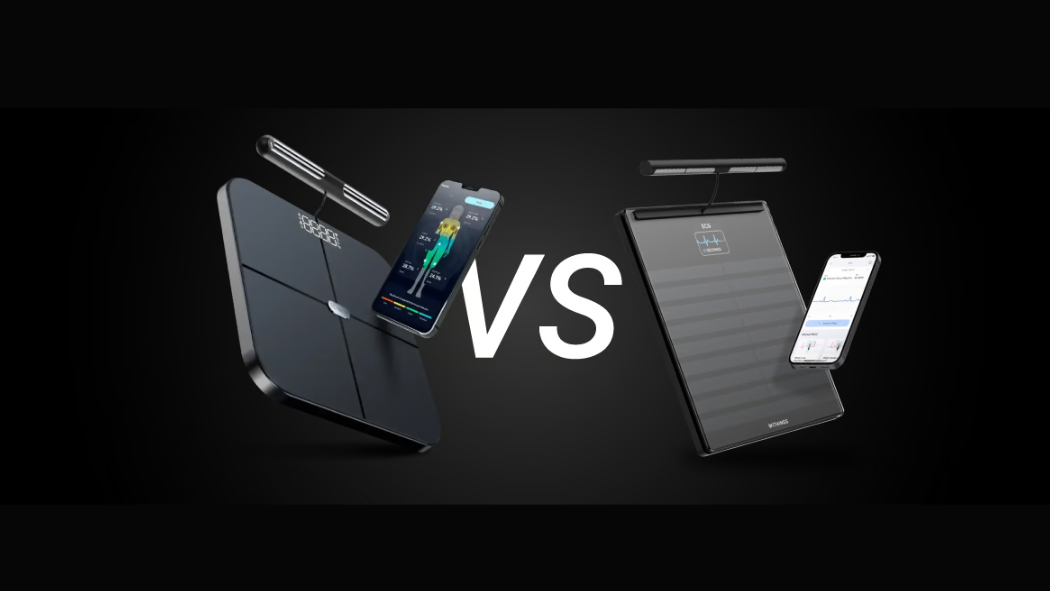
Body composition analysis has transformed how we track fitness progress, moving far beyond simple scale weight. With technology advancing rapidly, two methods stand at different ends of the accessibility spectrum: the at-home Hume Body Pod and clinical DEXA scans. According to Hume Health, their Body Pod correlates approximately 98% with DEXA results—a bold claim worth investigating. Whether you're an athlete fine-tuning performance or someone beginning a health journey, understanding these technologies' strengths and limitations can significantly impact your approach to measuring progress.
What Is the Hume Body Pod?
The Hume Body Pod represents a significant advancement in at-home body composition analysis. This innovative device utilizes multi-frequency bioelectrical impedance analysis (BIA) technology through an 8-point contact system that engages both hands and feet for comprehensive measurement.
Comprehensive Metrics at Your Fingertips
When paired with the Hume Health app, the Body Pod delivers an impressive array of over 45 different health metrics. Users gain insights into critical measurements including body fat percentage, muscle mass distribution, hydration levels, and visceral fat—the particularly concerning fat that surrounds internal organs.
Privacy and Convenience Combined
One of the Body Pod's primary advantages is the ability to conduct detailed body composition analyses within your home environment. This eliminates the need to schedule appointments or visit clinical facilities for regular monitoring. The private nature of home testing also removes potential discomfort some people experience with clinical body assessments.
Designed for Consistent Tracking
The device's accessibility makes it particularly valuable for those committed to regular monitoring. Unlike clinical options that may be limited by appointment availability and cost, the Body Pod can be used as frequently as desired—daily, weekly, or on whatever schedule aligns with your health goals.
Understanding DEXA Scan Technology
Dual-Energy X-ray Absorptiometry (DEXA) stands as the acknowledged gold standard for body composition assessment in clinical and research settings. This sophisticated technology employs two distinct low-dose X-ray beams to create detailed tissue density measurements.
Direct Measurement Advantage
DEXA's fundamental strength lies in its ability to directly measure different bodily tissues. Rather than estimating composition through algorithms, DEXA scans physically differentiate between fat mass, lean muscle tissue, and bone mineral density with exceptional precision.
Regional Body Analysis
A distinctive capability of DEXA technology is its regional assessment function. The scan provides segmented analysis of arms, legs, and torso separately, offering invaluable data for targeted fitness programming and identifying potential muscular imbalances.
Clinical Setting Requirement
DEXA scans necessitate specialized equipment and trained technicians, restricting availability to medical facilities, universities, or specialized body composition clinics. This clinical requirement ensures consistent procedure standards but limits accessibility.
Environmental Stability
A significant technical advantage of DEXA technology is its relative immunity to external variables. Unlike other measurement methods, DEXA results remain largely unaffected by hydration status, recent exercise, or meal timing—yielding more consistent readings regardless of testing conditions.
Accuracy Face-Off: How Close Are Their Results?
The comparison between these technologies ultimately centers on accuracy and result consistency. Both systems deliver detailed body composition data, but important distinctions exist in their measurement precision.
Manufacturer Claims
Hume Health asserts impressive accuracy for their Body Pod, claiming approximately 98% correlation with DEXA scan results. Their marketing materials suggest most users will experience results within ±2-3% of what a DEXA scan would report for key metrics like body fat percentage.
Real-World Performance Variations
Independent reviews and user experiences reveal more nuanced results:
Some users report remarkably close alignment, finding Body Pod readings within 1.5-3% of their DEXA scan results
Others document wider discrepancies, particularly when testing occurs under inconsistent conditions
Variance tends to increase for individuals with non-average body types or extreme composition profiles
Precision Hierarchy
Despite technological advancements in BIA devices like the Body Pod, DEXA maintains superior precision for several reasons:
Direct tissue measurement versus algorithmic estimation
Consistent results regardless of testing conditions
Higher resolution differentiation between tissue types
Ability to detect small changes in composition
Influencing Factors
The Body Pod's accuracy is notably affected by several variables that don't impact DEXA results:
Hydration status significantly influences electrical conductivity
Recent physical activity temporarily alters tissue electrical properties
Food and beverage consumption timing affects readings
Normal daily biological fluctuations can impact measurements
Practical Considerations: Cost, Convenience, and Accessibility
Beyond pure accuracy metrics, practical factors heavily influence which technology better serves individual needs.
Hume Body Pod Economics
The Body Pod operates on a fundamentally different economic model:
Initial purchase cost covers unlimited future measurements
No recurring fees or per-test charges
Value increases with frequency of use
Eliminates transportation expenses and time commitments
Convenience Factors
The Body Pod excels in convenience aspects:
Measurements available anytime without appointments
Results appear instantly on the connected smartphone app
Testing possible in private home environment
Tracking can occur daily or even multiple times daily
DEXA Financial Considerations
DEXA operates as a service-based model:
Per-session costs typically range from $75-250
Insurance rarely covers fitness-related scans
Geographic availability varies widely
Time investment includes travel and appointment duration
Accessibility Challenges
DEXA technology faces several accessibility limitations:
Limited availability outside major metropolitan areas
Appointment scheduling often required weeks in advance
Time constraints limit testing frequency
Medical setting may create discomfort for some users
The Verdict: Making Your Choice
The decision between Hume Body Pod and DEXA ultimately depends on your specific needs. For clinical precision and comprehensive one-time assessments, DEXA remains superior. However, for practical, consistent tracking of body composition trends at home, the Hume Body Pod offers remarkable convenience with respectable accuracy. Many fitness enthusiasts find value in using both: establishing a baseline with DEXA, then tracking ongoing changes with the Body Pod. Remember that consistency in measurement conditions matters more than the absolute numbers—whichever method you choose, the trends over time will tell your body's true story.