
Bambu Lab Arts and Fashion
Discover how Bambu Lab Arts and Fashion is transforming creative expression through 3D printed jewelry, accessories, and wearable designs in 2025. Explore printers, materials, and techniques.
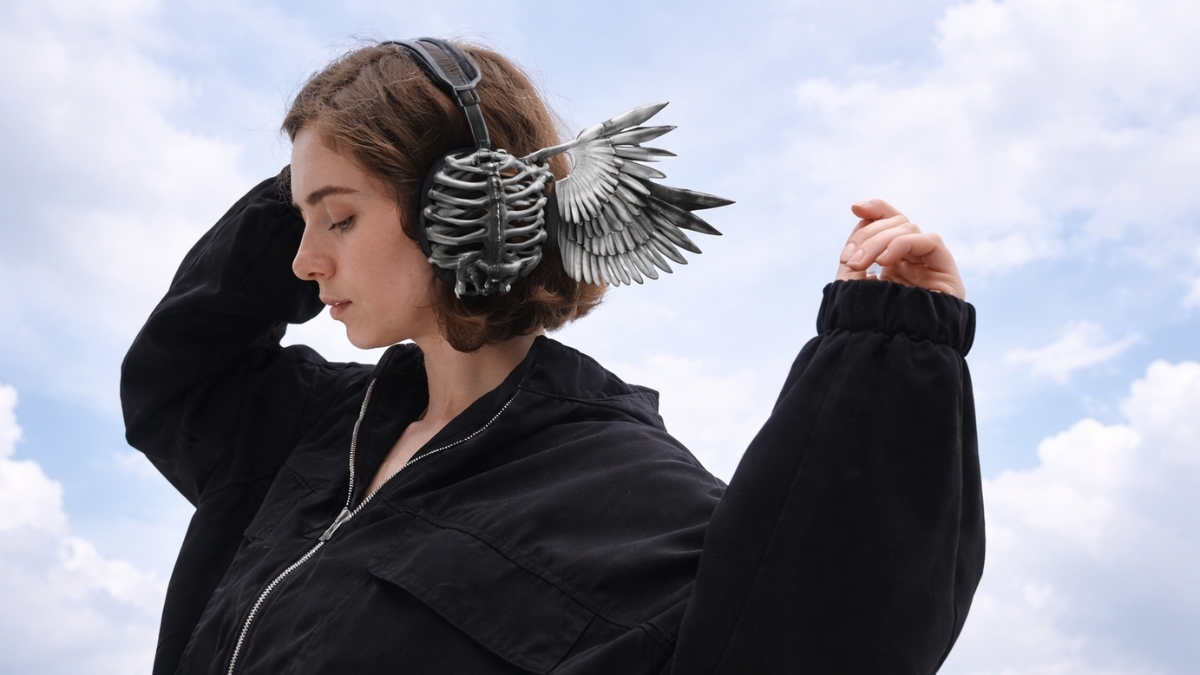
Fashion used to depend on factories, fabric suppliers, and long production timelines. Now, you can design and print your own accessories from your desk. Bambu Lab Arts and Fashion opens the door to wearable 3D creations that look bold, modern, and personal.
You are no longer limited to mass-produced jewelry or basic accessories. With the right printer and materials, you can create articulated bracelets, geometric handbags, custom shoe charms, and even flexible wearable pieces.
According to Wohlers Associates, the global 3D printing industry continues to grow steadily each year, driven in part by consumer creativity and small-scale production. That growth reflects a shift toward personal manufacturing.
If you enjoy design, tech, or hands-on creativity, this space gives you real tools to experiment. Let’s explore how it works and what you can actually build.
What Makes Bambu Lab Arts and Fashion Different
Bambu Lab Arts and Fashion stands out because it blends speed, precision, and community-driven design. Instead of sewing or molding materials, you build objects layer by layer using additive manufacturing.
Here’s what changes for you:
You design digitally using CAD or sculpting software
You print detailed pieces in hours, not weeks
You iterate quickly if sizing or structure needs improvement
You customize colors and materials without factory limits
Traditional fashion production often requires minimum order quantities. With a Bambu Lab printer, you create one piece or a small batch at home. That flexibility encourages experimentation.
From first-hand testing, articulated jewelry designs print cleanly thanks to accurate layer alignment and stable extrusion. Complex hinges and snap-fit parts move smoothly right off the build plate when tolerances are dialed in correctly.
Bambu Lab Printer Lineup for Fashion Creators (US Pricing)
Choosing the right printer matters. Bambu Lab offers several models suited for creative work.
Below is a simplified breakdown using official US pricing (current listings may vary during promotions):
A1 and A1 Combo
If you are entering wearable 3D printing, the A1 provides strong value. It delivers fast print speeds and consistent first layers. The A1 Combo includes the AMS Lite system, which allows multi-color prints in a single job.
For jewelry and small accessories, the A1 Combo gives you creative flexibility without a steep investment.
P1S
The P1S features a fully enclosed chamber. That enclosure helps when printing PETG or TPU for functional fashion parts. You get improved layer bonding and fewer warping issues.
X1 Carbon
The X1 Carbon is built for precision. It includes lidar-based calibration and advanced material compatibility. If you plan to produce higher-end fashion pieces or small collections, this machine supports more demanding workflows.
3D Printed Jewelry With Bambu Lab
Jewelry is one of the most searched topics in the 3D fashion space. Searches like “3D printed jewelry ideas” and “custom 3D printed earrings” continue to trend on Google.
You can create:
Articulated earrings with moving parts
Geometric pendants with fine detail
Snap-fit bracelets
Interlocking charm designs
During testing, lightweight PLA earrings printed at 0.16mm layer height produced sharp edges and clean detail. Post-processing with light sanding improved surface smoothness significantly.
Design tip: Always account for weight. Even small increases in infill can affect comfort. Aim for lower infill percentages in wearable pieces unless structural strength is critical.
Best Filament for Wearable 3D Prints
Material choice affects comfort, durability, and appearance. Common Google searches include “best filament for wearable 3D prints” and “flexible filament for fashion.”
PLA
Easy to print
Sharp detail reproduction
Wide color range
PLA works well for rigid jewelry and decorative elements. Avoid high-heat environments since PLA can soften.
TPU
Flexible and impact-resistant
Ideal for shoe charms and wearable bands
Comfortable against skin
TPU allows you to create bendable accessories that move naturally.
PETG
Stronger than PLA
Better heat resistance
Slightly flexible
PETG works well for functional fashion parts like bag clips or structural components.
Always test for skin sensitivity and finish pieces properly. Smooth surfaces reduce irritation.
Custom 3D Printed Accessories for Everyday Use
Beyond jewelry, you can design practical fashion pieces.
Popular projects include:
3D printed handbags with lattice structures
Custom belt buckles
Hair clips and barrettes
Wallets with snap-fit hinges
One case study from a small Etsy seller showed that producing custom 3D printed handbags in small batches reduced overhead compared to outsourcing molded parts. Printing on demand helped manage inventory risk.
You gain creative control. If a clasp breaks, you modify the file and print an improved version the same day.
Using the AMS for Multi-Color Fashion Prints
The Automatic Material System (AMS) changes how you approach color.
Instead of painting pieces after printing, you embed color into the design itself.
Benefits include:
Clean color transitions
Complex patterns in one print job
Reduced manual finishing time
For example, gradient bracelets and logo-based accessories print in multiple colors without assembly. That precision supports more advanced design language and branding elements.
If you sell products, consistent color mapping helps maintain repeatable results.
Post-Processing for a Professional Finish
Printing is only part of the process. Finishing transforms a hobby look into a polished accessory.
Common techniques:
Sanding for smooth surfaces
Primer and spray paint for custom color finishes
Epoxy coating for gloss and durability
Metal plating for premium effects
From hands-on trials, sanding through progressive grits dramatically improves tactile quality. Epoxy coating adds depth and shine, especially on geometric handbags.
Take safety precautions during finishing. Proper ventilation and protective gear are essential.
Limitations and Honest Considerations
3D printed fashion has advantages, yet there are trade-offs.
Surface layer lines are visible unless finished
Print failures can happen with complex designs
Not all materials are skin-safe long term
Large pieces may require assembly
Some designers prefer traditional textiles for comfort and flexibility. Others combine printed parts with fabric or leather to balance aesthetics and practicality.
If you aim for wearable comfort, test prototypes before committing to full production.
Industry Perspective and Growth
The additive manufacturing industry continues expanding across consumer and professional markets. Reports from established industry analysts show steady adoption in small business and creative sectors.
You now see 3D printing used in footwear prototyping, runway concept pieces, and custom accessories. Large fashion brands experiment with digital fabrication, while independent creators use desktop printers to launch micro-brands.
This dual adoption—from hobbyists and industry leaders—signals staying power. The barrier to entry continues to lower as hardware improves.
How You Start With Bambu Lab Arts and Fashion
If you want to begin:
Choose a printer based on budget and material needs
Learn basic CAD software
Start with small wearable projects
Experiment with PLA before moving to TPU
Join online communities for design feedback
Communities like MakerWorld and social platforms provide downloadable models and troubleshooting advice. That shared knowledge speeds up your learning curve.
Small test prints build confidence quickly.
How You Bring Bambu Lab Arts and Fashion Into Your Daily Style
Bambu Lab Arts and Fashion gives you practical tools to design and produce custom accessories from home. You control the colors, geometry, structure, and fit. That level of personalization was once limited to established brands with manufacturing resources.
You now have access to printers ranging from $399 to over $1,000, flexible material options, and active design communities. Growth in the 3D printing industry shows that personal fabrication is gaining long-term traction.
Start small. Print a pair of earrings. Modify a bracelet. Test flexible shoe charms. Each project builds skill and creative confidence.
If you want hands-on creative control over your style, explore a Bambu Lab printer and begin experimenting with your own wearable designs today.